Making the Invisible Visible: The Power of Metaphor, Symbol, and Silent Narrative in Short Films
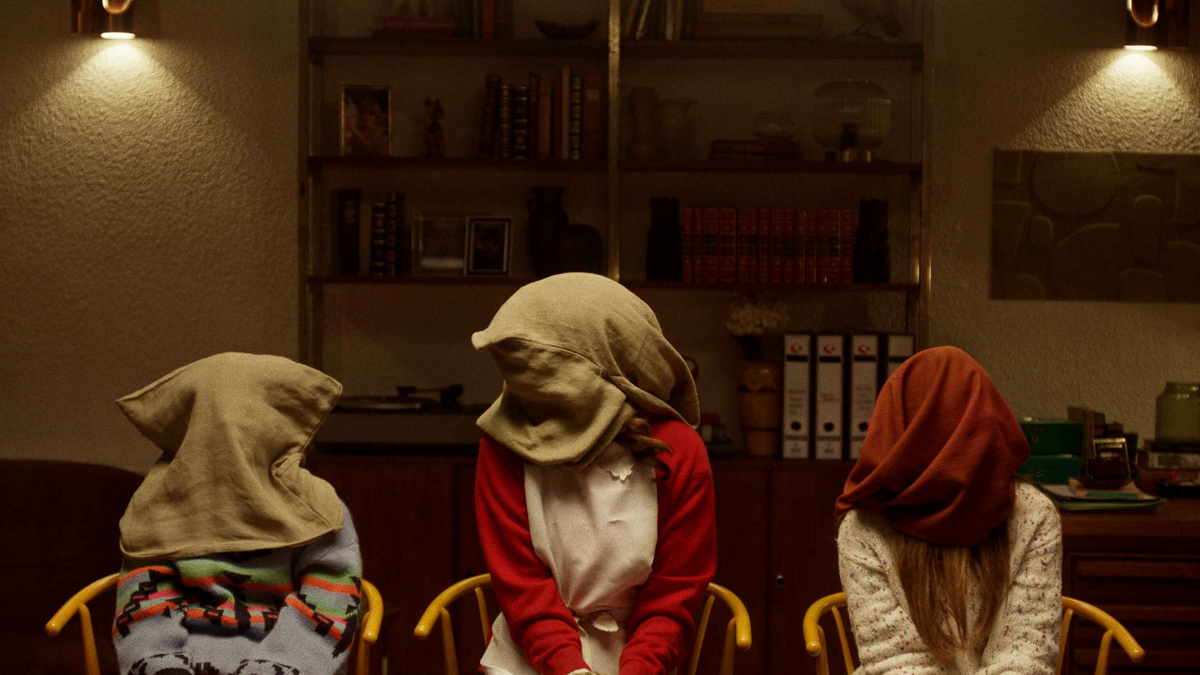
The Concentrated Language of Cinema
Short film is one of cinema's most intense narrative forms. Time constraints require the emotion or idea to be conveyed to fit into a few minutes. This necessity makes short films not "incomplete" feature films but, conversely, the most distilled form of cinematic language.
This is precisely why metaphors, symbols, colors, seasons, and the "show, don't tell" technique play a vital role in short filmmaking. This structure, leaning more on visual language than dialogue, opens an area that challenges short film producers both creatively and dramatically while simultaneously liberating them.
I'll try to comprehensively explain how metaphors used in short film production are constructed, how colors and seasons serve the narrative, the place of symbols in dramatic structure, how the "show, don't tell" technique is applied in practice, and why the dialogue issue remains one of the most debated topics. At the same time, let's try to understand the points where short film producers struggle most in the screenplay stage and why these difficulties arise.
Metaphor in Short Films: The Creative Advantage of Time Constraints
What Is Metaphor?
Metaphor is used to express a situation, problem, or event in another way. It's a figure of speech used to tell something through something else, to make comparisons. Thanks to metaphor, messages gain vitality, depth, and powerful meaning. Because metaphors provide indirect expression, they enable messages to be conveyed without personalization to the source. Metaphor develops thinking ability and creativity. It makes difficult-to-understand abstract concepts concrete.
Why Metaphor Is the Backbone of Short Films
Metaphor is the backbone of short films. An emotion that can be conveyed in feature films through character development, dialogues, and subplots is often constructed in short films through a single metaphor. A door that stays constantly closed, a character avoiding looking in mirrors, or a repeating sound... Each of these makes the audience feel the conflict at the story's center without saying it directly.
The power of metaphor in short films comes from turning the viewer into an active receiver. Viewers complete the images they see in their minds. This takes short films out of being a passive viewing experience. Metaphor carries the narrative burden here. It makes the character's inner world, suppressed emotions, or the social issue to be conveyed visible through a single image.
The Common Mistake: Overcomplicating Metaphor
However, metaphor use is often misunderstood. Metaphor doesn't mean being difficult to understand. On the contrary, a well-constructed metaphor can be extremely simple. One of the most common mistakes short film producers make is putting metaphors before the narrative by making them too complex. Metaphor should support the story; it shouldn't become the story itself.
The Cultural Readability of Metaphor and the Question of Universality
Another issue overlooked when constructing metaphors in short films but directly affecting the film's circulation is the cultural readability of metaphor. A symbol that creates very powerful associations in one country can be completely neutral or even meaningless in another geography. This situation is even more important today when short films appear at international festivals and on digital platforms.
Universal vs. Local Metaphors
Universal metaphors are constructed through images like road, door, window, water, light. Such symbols create similar emotional responses in viewers independent of cultural differences.
Local symbols strengthen the film's identity but are risky. Excessive emphasis on locality can weaken the narrative's universal connection. The balance the short film producer must establish here is catching common emotional ground with the viewer without losing the story's soul.
Metaphors that don't observe this balance can lead to films being labeled only as difficult to understand. Yet the purpose of metaphor in short films isn't to leave viewers outside but to invite them to think.
Metaphor-Genre Relationship: Not All Short Films Speak the Same Language
The function of metaphor in short films changes seriously according to the film's genre. The biggest mistake made here is assuming every metaphorical narrative will create the same effect. Yet while metaphor makes a character's inner world visible in a dramatic short film, in the thriller genre it produces expectation and threat feeling in the viewer.
Genre-Specific Metaphor Applications:
Drama: Metaphors generally carry emotional weight. Objects, spaces, and repeating behaviors become representatives of the character's suppressed emotions.
Thriller/Horror: Symbols are sharper; they aim to make viewers uncomfortable, hint at approaching danger.
Experimental: Metaphor often becomes the narrative itself; associations take precedence over story.
Short films that ignore this distinction can be wrongly positioned in festivals or platforms watched with genre expectations. Metaphor must transform into a narrative decision compatible with genre, not just an artistic choice.
The Language of Colors: Silent Actors of Visual Narrative
Colors are as powerful as words in short film narrative. In fact, they're often more effective than words. A red light evokes danger or passion, while pale blue tones create feelings of loneliness and distance. When the color palette is consciously chosen in short films, it becomes one of the fundamental elements determining the narrative's emotional tone.
When Should Color Decisions Be Made?
For short film producers, color use is generally discussed in the cinematography stage, but the real decision should be made at the screenplay stage. When the story's emotional axis is determined, the color world supporting this axis should also take shape. Because there's no time in short films. You can't allocate long scenes to prepare the viewer emotionally. Colors can do this preparation in a single frame.
For example, if internal confinement is being conveyed, cold and dominant colors reinforce this feeling as much as narrow spaces. At the moment of a break toward hope, the change of light and color can tell that the story has changed direction even without dialogue. In this context, color is not just an aesthetic choice in short films but a narrative tool.
Seasons and Time Perception: Nature's Dramatic Contribution
Seasons are one of the oldest metaphor sources in cinema, and this use intensifies even more in short films. Autumn often represents endings, losses, and transitions, while spring is used as a symbol of rebirth, hope, and beginnings. The choice of season in short films directly affects the story's subtext.
The Power of Collective Memory
The power of seasons lies in the viewer's collective memory. A scene where a character walks alone in winter evokes loneliness even without dialogue. For short film producers, this is an advantage accelerating the narrative. Within time constraints, seasons increase dramatic intensity.
However, it's also possible to go too far with season use. Telling every sad story in the rain weakens the metaphor's effect. What matters in short films is making the season a natural part of the story. Season isn't decoration adorning the story but an element completing the story's soul.
Symbols: Building a World with a Single Object
A symbol is metaphor's materialized form in short films. A key, a shoe, a broken watch... These objects can become doors opening to the character's inner world. Symbol use in short films arises from the reality that narrative must be economical. An object can convey with a single image a situation that could be told with pages of dialogue.
The Keys to Effective Symbols:
For a symbol to be effective, repetition and context are important. A symbol shouldn't be a random detail we encounter. It should appear at the story's critical moments, function within the story, and establish a connection with the character. Otherwise, the symbol loses its meaning for the viewer.
As Tolstoy said: "If there's a sword on the wall, it must be used meaningfully."
Another difficulty short film producers frequently experience is over-explaining symbols. Telling a symbol's meaning through dialogue eliminates the symbol's reason for existence. The symbol should be there for the viewer to discover. This is where the "show, don't tell" technique comes into play.
"Show, Don't Tell": Short Film's Fundamental Narrative Principle
"Show, don't tell" technique is perhaps the most fundamental rule of short filmmaking. This technique refers to conveying the story through visual and auditory elements rather than explaining it with dialogues. In short films, this approach isn't a choice but a necessity. Because short films don't allow all the story and the message to be conveyed to be told at length with words due to their duration.
Why This Technique Is Essential:
Instead of saying a character is sad, showing them sitting alone in an empty room is much more effective. In short films, every word, every scene is valuable. Therefore, the narrative must be constructed as visually as possible. Camera movements, framing, sound design, and editing are all parts of the "show, don't tell" principle.
Applying this technique challenges short film producers especially at the screenplay stage. Because the difference between written language and visual language emerges clearly here. Writing "character is sad" in the screenplay is easy, but constructing the situation that will tell this sadness through images requires a serious thinking process.
Platforms like ShortFilmBox that offer support to short film producers on screenplay development, structure building, and visual narrative fill an important gap at this point.
The Editing-Metaphor Relationship: Where Does Meaning Arise?
Metaphor's real meaning often emerges not in the screenplay but at the editing table. Presenting the same images in a different order can create completely different meaning in the viewer. Therefore, metaphor in short films is both a written idea and an editorial construction process.
Decisions like how many times a symbol will appear throughout the film, at which moments it will repeat, or whether it will completely disappear in the finale determine the narrative's power. A small choice made in editing either deepens the metaphor or makes it meaningless. Therefore, short film producers need to think not only about what the metaphor is but also when it will be shown.
The "show, don't tell" technique shows its real effect when it works with editing. Gaps left for viewers enable the metaphor's completion in the mind.
Is Dialogue Necessary? The Narrative Power of Silence
One frequently asked question when short films are mentioned is: Is dialogue really necessary? The answer isn't clear, but it's possible to say this: Dialogue isn't mandatory in short films, but it should be used consciously.
When and How to Use Dialogue:
In short films, dialogue is often used not to carry the narrative but to complete a missing point of the narrative. Excessive dialogue disrupts the short film's rhythm and weakens visual narrative's power. Therefore, short film producers must learn to keep dialogue to a minimum.
Silence is a powerful narrative tool in short films. Silence leaves the viewer alone with the character. It makes emotion directly felt. Especially in narratives heavy with metaphor and symbol, silence increases the story's depth. The short film producer who thinks about how to use silence instead of writing dialogue gains a great advantage in terms of narrative.
Sound Design: Invisible Metaphors
Metaphor isn't constructed only through images. In short films, sound design is a metaphor field as powerful as visual language. A repeating sound, noise coming from outside but whose source isn't shown, or consciously left silences can directly convey the character's state of mind to the viewer.
For short films avoiding dialogue, sound becomes the main carrier of narrative. The purpose here is to use sound not as an explanatory element but as an emotional layer. Invisible but felt sounds draw the viewer's attention to the scene's subtext.
Silence is also a sound in this context. Especially in short films, silence creates a strong connection between character and viewer. Moments not filled with dialogue enable metaphors to be perceived more clearly.
Overusing Metaphor: Where to Stop?
Although metaphor is one of short films' most powerful tools, overuse can get in front of the narrative. The idea that every scene must carry symbolic meaning frequently traps short film producers. This situation makes it difficult for viewers to connect with the story.
Too much metaphor makes narrative closed and distant. The perception difference between festival audiences and general audiences becomes evident here. Some films, though attractive to juries, can become inaccessible for broad audiences. Therefore, metaphor should be in the story's service; the story shouldn't be in metaphor's service.
The Most Challenging Issues in the Screenplay Stage
1. The Challenge of Simplification
The most struggled-with topic when writing short film screenplays is simplifying the story. Most producers over-detail the idea they want to tell, and this conflicts with the short film format. Yet short films should focus on a single emotion or idea.
2. The Finale Issue
Another difficulty is the finale matter. In short films, the finale is the story's most critical point. The emotion the viewer will carry when leaving the film is determined by this final moment. Open endings are frequently preferred in short films. However, this shouldn't mean the story remains incomplete. The finale should echo in the viewer's mind.
3. The Balance
Additionally, establishing the balance of metaphor, symbol, and "show, don't tell" is a serious test at the screenplay stage. The narrative should be neither too explanatory nor excessively closed. This balance develops with experience and correct feedback.
The tools, mentorships, distribution perspective, and feedback opportunities ShortFilmBox offers to short film producers provide the opportunity to see how mistakes made at the screenplay stage produce results in later stages.
Metaphor's Impact on Marketability and Distribution
Metaphors used in short films affect not only the narrative but also how the film will be marketed. At every stage from poster design to logline writing, from synopsis text to programming process, the clarity of metaphor becomes decisive.
Films constructed with overly closed metaphors become difficult for programmers to explain. This makes showing the film in the right context difficult. Placing metaphor on a clear dramatic axis facilitates the film's international circulation. At this point, short film producers need to establish a conscious relationship between their creative choices and professional reality.
Why Is the Right Ecosystem Important for Short Film Producers?
Short film isn't only a creative production process; it also requires existing on the right platforms. A story constructed with metaphors, symbols, and visual narrative loses part of its meaning when it doesn't meet the right audience. At this point, short film producers need to think not only about producing the film but also how to position it.
ShortFilmBox is an important center for short film producers to handle this process holistically. Starting from the screenplay development process, it offers a perspective extending to the film's international circulation. Knowing to which audience and in which context a short film constructed with metaphors will reach directly affects creative decisions.
The Director Profile Thinking with Metaphor
A director thinking with metaphor builds their own visual language over time. Excessive symbol use or narrative complexity in first films is a natural part of this process. Over time, with acquired experience, message language will definitely reach a balance. What matters is simplifying and clarifying this language with each film.
Short film production requires continuity. Directors consciously using metaphors build a stronger connection with audiences over time. This transforms short films from being merely an experimental area into sustainable cinema practice.
In Conclusion: An Intense Cinema Language with Metaphors and Symbols
Short filmmaking requires using cinematic language in its purest form. Metaphors, colors, seasons, and symbols are all parts of this intense narrative. The "show, don't tell" technique is indispensable to short films. Dialogue should be used carefully and consciously. Difficulties experienced at the screenplay stage are directly related to how much the short film producer has internalized this language.
If you're treating short filmmaking not just as an experimental area but as a serious narrative form, you need to be part of both a creative and professional ecosystem. ShortFilmBox is a platform designed so short film producers don't remain alone in this journey. Stories you construct with metaphors reaching the right place is only possible with the right tools.
In short films, the real issue is telling a lot in little time. And sometimes, what's not said is much more powerful than what's said.
Short Films Are Very Valuable Products
The techniques we use, our narrative language, our final decisions in post-production make our films a viewing pleasure for global audiences. ShortFilmBox doesn't leave your short film alone and supports it throughout all production, festival, and distribution stages.
Remember: With ShortFilmBox, Your Film Is Now Embarking on a Real Long Journey.
Ready to master visual storytelling? Join ShortFilmBox and access:
✓ AI screenplay development tools
✓ Professional mentorship on visual narrative
✓ Global distribution for metaphor-rich films
✓ Community of filmmakers who think visually
Your metaphors deserve the right audience. Let's find them together.