The Undeniable Power of Short Film in Telling Women's Stories
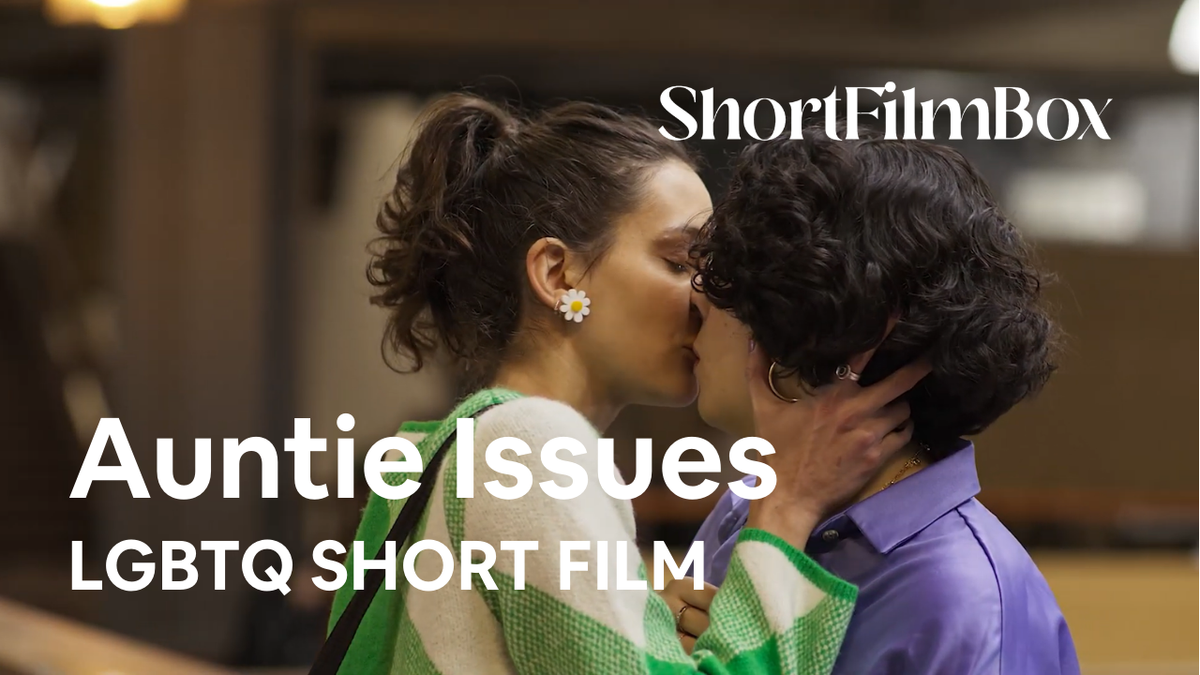
Why Are Women's Stories Told More Powerfully Through This Format?
Cinema is sometimes remembered for big productions, massive sets, and million-dollar budgets. This is what usually comes to mind when we think of film. However, cinema's true power often emerges in much smaller, much more personal, and much more intimate spaces. Short films in particular are one of the rare spaces that can deliver difficult stories to audiences in a powerful and direct way. When it comes to women's stories, short film ceases to be merely a narrative form. It becomes a space of expression, a form of resistance, and a tool for creating visibility. Short film is both an entertainment medium and a cathartic space where problems are conveyed to audiences and create impact.
International Women's Day is not only for celebrating women's achievements. It is not just a time when we say "look what we have accomplished" or "look how far we've come" it also offers an important opportunity to better understand their experiences, struggles, and worldviews, and to bring unfinished issues to the agenda. Cinema is one of the most powerful art forms that develops this understanding. But here, short films in particular create a unique space for telling women's stories. Because short film often opens a freer and more experimental space outside of major systems.
Especially in feature films, the system is covered with a very thick shell. You can talk about women's issues if the system permits. This is sometimes why women's issues disappear. In other words, those at the head of the system do not want to bring these topics to the agenda. In short film, however, the situation works very differently. Short film is more dynamic, more democratic, and far more independent. This characteristic leads us to see short film as a much more valuable communication method. This independence makes visible and brings to the agenda topics that the cinema ecosystem generally does not want to be involved in such as women's issues, elderly issues, children's rights and problems, and environmental issues—with great ease and freedom.
Today, around the world, women directors, writers, cinematographers, and producers are telling their own realities through short film. These stories sometimes tell of silent tension inside a home, sometimes social oppression, sometimes invisible labor, sometimes solidarity. Sometimes in a glance, sometimes in a single scene, sometimes in a few minutes of narrative, the doors of an entire world open.
The Narrative Power and Deep Impact of Short Film
This is precisely why short film is powerful. Because short film is direct.
Feature films often must tell bigger stories. Dramaturgy, character development, structural expectations, and commercial concerns can affect the form of the narrative. Yet short film can reach the essence of the narrative much more quickly. Because in short film, the moment matters. The moment is deepened. It can tell an emotion, a conflict, a breaking point, or a social issue in concentrated form.
When it comes to women's stories, this concentration is very valuable. Because women's experiences are often hidden in invisible details. In a home's kitchen, in a job interview, at a bus stop, in a school corridor... Sometimes a single glance, a single sentence, or a single silence can reveal a major social reality.
Short film is a narrative form that can capture these moments.
For Women Directors, Short Film Is the Door to Cinema
For many women directors, short film is also the gateway to cinema. In an industry where access to large budgets is limited, producing short film creates a more accessible space. It is possible to produce cinema with smaller crews, fewer resources, but much more powerful ideas. This makes short film not only a starting point but also the center of creative freedom.
When we look at film festivals today, we see that women directors are becoming increasingly visible in the short film field. This is not only a matter of representation. It also means cinema's perspective is expanding. Because women's perspective brings cinema a different language, a different rhythm, and a different emotional depth.
One thing we frequently encounter in women directors' short films is the politics of everyday life. Narratives that progress through small details instead of big events make it easier for viewers to empathize. The viewer not only watches a character but enters their world.
Why Is the Viewer Part of This Story?
The viewer's role is also very important at this point. Short films are not only a space where directors express themselves. They also create a space where viewers discover new stories, encounter different experiences, and learn to look at the world through other eyes.
Watching a short film often takes only a few minutes. But those few minutes can definitely change the viewer's way of thinking. A short film can show a viewer a reality they never noticed before. A short film can make visible the invisible obstacles a woman faces in daily life. A short film can enable discussion of silenced topics. It can silently shout the reality that violence and its varieties are part of women's lives. This is why the viewer is also part of this story.
For women's stories to be told, there is a need not only for directors who tell them but also for a community that listens and watches. As viewers watch, share, and support short films, the circulation of these stories increases. More people encounter these narratives, and these narratives begin to create social impact. People now become uncomfortable with these problems and move toward producing solutions. The problem women experience is now before the eyes and on the agenda of all humanity.
Short Films' Biggest Problem: Visibility and Distribution
The strengthening of the short film ecosystem becomes critical at this point. Because short films often have a limited circulation area after being produced. While festival screenings are an important showcase for short films, the films' lives often become uncertain after the festival tour ends. Yet these films definitely deserve to meet audiences not only in festival halls but everywhere in the world.
Women's stories likewise definitely deserve to reach a wider audience. This is precisely why the issue of short film distribution and visibility is becoming increasingly important. Ensuring these films meet the right audience is now an important part of the cinema ecosystem, as much as producing short film.
A New Space for Women Short Filmmakers: ShortFilmBox
ShortFilmBox emerged at this point as a platform aiming to open a new space for short film producers. The platform aims to create a global distribution and visibility network so that short films are not limited only to festivals.
This can create a major opportunity especially for women short film producers. Because for many women directors, one of the greatest challenges is bringing their films together with audiences. As important as telling a story is ensuring that story can reach the right audiences.
ShortFilmBox's Smart Distribution Hub model helps short films enter circulation on different platforms and in different screening spaces. Thus films can meet audiences not only in festival selections but on digital platforms, in special screenings, and in different broadcast networks. As this circulation area expands, the visibility of women's stories also increases.
The Universal Power of Women's Stories
The stories told by women directors often resonate in different segments of society. A film can gain different meaning in one country while reminding of a completely different experience in another country. Because women's experiences are as universal as they are local.
A mother's story can be understood in many parts of the world. A young woman's search for freedom carries similar emotions even if experienced in different forms in different cultures. A woman's process of finding her own identity creates a powerful field of empathy for many viewers. The problems a single mother experiences while raising her child differ in different parts of the world, but the emotional burden experienced is universal. Short film is a narrative form that can carry this universality.
With shorter duration, more concentrated emotion, and more direct narrative, it can reach the viewer's heart. ShortFilmBox steps in precisely here, removing language barriers with extensive subtitle support and eliminating borders. It brings together universal emotions from around the world in one pot and establishes an empathy world where everyone can understand each other.
Women directors use this space to tell both personal and social stories. Sometimes they carry pieces from their own lives, sometimes they tell the injustices they see around them, sometimes hopeful solidarity stories.
These stories are not just a film for the viewer. They are an experience. A confrontation. Sometimes awareness. Sometimes inspiration. But all are reflections of life. Before us is the reality that somewhere in the world there is a woman experiencing these problems, producing these solutions, somehow continuing her life.
How Does Short Film's Empathy Power Change the Viewer's World?
After watching a short film, the viewer begins to look at the world a bit more carefully. Walking on the street, talking at work, or listening to a friend's story, they develop a different perspective. This is precisely why cinema is powerful. Because cinema does not only tell stories. It changes the way people think.
When we think of International Women's Day, cinema's power becomes very meaningful. On this day we are not only celebrating, this day is also a day of remembering and understanding. It is also a very good opportunity to think about the struggles women have given throughout history, the difficulties they face today, and their hopes for the future.
Short films open this thinking space to everyone. A woman director's camera often looks at places never looked at before. Makes visible the details that have been overlooked. Makes silenced stories speakable. And invites the viewer into this story. This invitation is very valuable. Because for a story to create change, it must first be heard and seen—its existence must be known.
When a woman's story is told, it is not only a character that has spoken. The voices of thousands of people who have lived the same experience are also heard. An experience told in a short film helps another viewer understand their own life. For another viewer, it reminds them they are not alone. For yet another, it creates motivation to take action.
This is why short film is definitely not only an art form. It is also a form of communication, a space of solidarity, and a tool for visibility.
Women Filmmakers' New Narrative Languages
Today, in many parts of the world, women filmmakers are developing new narrative languages through short film. They are going outside traditional story structures, trying experimental forms, placing personal narratives in political context.
This diversity is very valuable for cinema's development. Because cinema grows with different voices, deepens with different experiences, becomes enriched with different perspectives.
As women's presence in cinema increases, cinema's language also changes, and this change creates a new cinema experience not only for women but for all viewers.
Today when you watch a short film, you may only spend a few minutes. But those few minutes open the door to a world you never thought about before. Looking at the world through a character's eyes is one of the most powerful ways to build empathy. Cinema creates this empathy. Short film does this in a much more concentrated form.
This is why International Women's Day should be seen not only as a celebration but also as an opportunity to listen to women's stories. Watching a short film is listening to a story. Sharing a short film is ensuring that story reaches more people. Supporting a short film is contributing to the production of new stories. The viewer is not a passive part of this process. On the contrary, they are one of the most important actors of this ecosystem. Every film watched, every story shared, and every new discovery contributes to the growth of the short film world.
As women's stories reach more viewers, more directors find the courage to tell these stories. More films are produced. More stories are heard. Cinema becomes a bit more inclusive.
In Conclusion: Listening to Short Films on International Women's Day
Perhaps short film's greatest power lies precisely here.
A small format's ability to create great impact. A story of a few minutes' ability to remain in mind for a long time. A seemingly silent narrative's ability to create powerful resonance.
Looking at short films on International Women's Day is actually looking at the world from another window. Seeing the world through women's eyes. Listening to their experiences. Thinking with the stories they tell. Perhaps most importantly, contributing to the multiplication of these stories. Because cinema is a world created together not only by those who make films but also by those who watch films. After all, every viewer is part of this world.
Every short film watched gives life to a story. Every film shared reaches a new viewer. Every new viewer ensures the stories told resonate more powerfully.
This is why today, on International Women's Day, taking time for a short film can be a small but meaningful step. Listening to a story, trying to understand an experience, hearing a director's voice. Sharing with others the feeling that story left in you.
Because sometimes what changes the world is not big words. Sometimes it is just a story of a few minutes. For these stories to give us a message, they need to be visible and reach the right audience with proper and strategic distribution. ShortFilmBox does exactly this work. It applies a multi-channel distribution model to short film producers with Smart Hub and extensive subtitle support. It ensures short film's visibility on different channels. It creates a revenue stream.
You continue to freely produce films where you fit into that short time and let your creativity speak. Distribution is professional work, and ShortFilmBox, a global distribution system focused only on short film, provides that expected visibility and more for you. In other words, your short film is embarking on a tremendous journey with ShortFilmBox. So it is time to say our usual last words. Thank goodness we have short films in our lives.
© 2026 ShortFilmBox — shortfilmbox.com